
"roast before blend"
1000 article(s) found

Introduction to the basic knowledge and steps of blending coffee beans, the difference between Italian coffee beans and soe coffee beans
Professional barista communication please follow the coffee workshop (Wechat official account cafe_style) these days has been collecting knowledge of blending beans, this is also the direction and field of their own efforts, put some of their own experience and feel useful things up, share with you, for friends with a common goal

Introduction to the proportion of roasting degree of Italian Coffee Brand
Introduction to the proportion of roasting degree of Italian Coffee without blending Coffee requires expert ability to know the taste characteristics of each kind of coffee and the taste of the kind of coffee you want to mix. I know how to achieve that taste, but in any case, you can't regard the coffee as an advanced form of coffee. As before

Introduction to the blending method of coffee beans with different roasting degree
Coffee beans originality is matching, in order to show respect for the annoyance of coffee beans, it is more appropriate to call it originality, but this change of name is different from Kong Yiji's theft and theft. Before talking about matching specific data, to do some preparatory work, the first is to understand the basic points of original blended coffee, of course, this is also the basic ethics of doing things, just like before making tea, I

Introduction to the blending method of raw beans and cooked beans of coffee
A single product is a batch of coffee from a single variety of producing areas. Italian beans are baked in two ways: raw beans and cooked beans. Raw beans are mixed before baking and then baked. Cooked beans are mixed in proportion with coffee beans that have already been baked, usually the roaster's more mainstream and advocated way is to fight, because coffee beans blend with each other in the roasting process.

Which kind of coffee is more suitable for blending fine coffee? can I mix it?
In fact, there is no answer to the question of which is better, individual beans or mixed coffee beans. We can only say which kind of coffee is more suitable for you, which should be determined by combining the coffee utensils and taste preferences used by individuals. Just like the blended coffee beans [vanishing Shangri-La] in our store, although we advocate that the performance will be more comprehensive under the Italian machine, there are also many friends who are not.
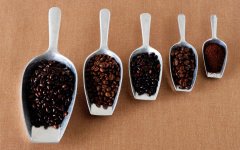
Italian blend beans are roasted first and then mixed with "Viennese Coffee" drip filter coffee.
Bake first and then mix, or match first and then bake? A lot of people ask me, is it baking and then matching, or is it first matching and then baking? Which way is better? If you have a definite recipe, of course the easiest way is to put different coffee beans together and then bake them together. But if you are trying and comparing different matching ingredients, and the corresponding proportion, you

Coffee roasting and coffee flavor coffee extraction deep roasting espresso Italian blending
Boutique coffee is fresh coffee. Whether it's food or drink, of course, the fresh the better, and so is boutique coffee. High-quality coffee should keep the coffee beans fresh before making, including the preservation of baked beans, and grind the coffee beans into powder before making, which is also to retain its original and best flavor. And the way of making hand-made coffee is such a way to make high-quality coffee.

Coffee blending and coffee roasting Italian coffee blending cappuccino coffee Italian blending
Coffee starts with origin and taste, and, of course, can't do without variety, because at first people only consume coffee grown in nearby areas. However, with the development of trade, the types of coffee are gradually mixed. Today, although good coffee from a single variety or origin can be directly cited, coffee is essentially a mixed drink, like champagne or some wine.

Drinking coffee must start with raw coffee beans.
The Espresso cooked at the ideal water temperature is dark reddish brown, and the foam on the surface will have dark brown spots (known as el tigre in Italy), and the foam thickness should be more than 4mm. Generally speaking, large coffee beans can produce better coffee. In the case that the quality of coffee beans has been fully assured, the first technical problem to be solved is blending.

Coffee drinkers must start with raw coffee beans.
The Espresso cooked at the ideal water temperature is dark reddish brown, and the foam on the surface will have dark brown spots (known as el tigre in Italy), and the foam thickness should be more than 4mm. Generally speaking, large coffee beans can produce better coffee. In the case that the quality of coffee beans has been fully assured, the first technical problem to be solved is blending.
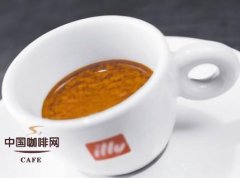
The common sense of drinking coffee must start with raw beans.
The Espresso cooked at the ideal water temperature is dark reddish brown, and the foam on the surface will have dark brown spots (known as el tigre in Italy), and the foam thickness should be more than 4mm. Generally speaking, large coffee beans can produce better coffee. In the case that the quality of coffee beans has been fully assured, the first technical problem to be solved is blending.

A glass of technical pie Espresso
Espresso cooked at the ideal temperature is very dark reddish-brown, the foam on the surface will have dark brown spots (Italians call it "el tigre"), and the foam thickness should be more than 4 mm
Fine coffee learning to drink coffee must start with raw coffee beans.
The Espresso cooked at the ideal water temperature is dark reddish brown, and the foam on the surface will have dark brown spots (known as el tigre in Italy), and the foam thickness should be more than 4mm. Generally speaking, large coffee beans can produce better coffee. In the case that the quality of coffee beans has been fully assured, the first technical problem to be solved is blending.
Espresso production: blending
"Blending" refers to the selection of coffee beans of different origins and qualities to achieve the desired result.

Introduction to the description of extraction time, roasting degree and flavor of hand-brewed coffee
Coffee bean blending formula, hand-brewed coffee extraction time, roasting degree flavor description introduction; blending coffee requires expert ability to understand the taste characteristics of each kind of coffee, know what the taste of the kind of coffee you want to mix is like, know how to achieve that taste, but in any case, you can not regard the coffee as an advanced form of coffee.

What is blended coffee? what does it taste like when different coffee beans are roasted in different degrees?
Coffee beans originality is matching, in order to show respect for the annoyance of coffee beans, it is more appropriate to call it originality, but this change of name is different from Kong Yiji's theft and theft. Before talking about matching specific data, to do some preparatory work, the first is to understand the basic points of original blended coffee, of course, this is also the basic ethics of doing things, just like before making tea, I
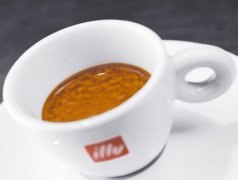
Espresso of the technical school
In the final analysis, coffee is a kind of agricultural product, and drinking coffee must start with raw coffee beans. The Espresso boiled at the ideal water temperature is dark reddish brown with dark brown spots on the surface (the Italians call it el tigre) and the foam thickness should be more than 4mm * mix * generally speaking, large coffee beans can produce better coffee.

The baking methods of Italian mixed beans are divided into raw and cooked ones.
A single product is a batch of coffee from a single variety of producing areas. Italian beans are baked in two ways: raw beans and cooked beans. Raw beans are mixed before baking and then baked. Cooked beans are mixed in proportion with coffee beans that have already been baked, usually the roaster's more mainstream and advocated way is to fight, because coffee beans blend with each other in the roasting process.
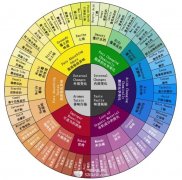
On the blending of coffee beans
The general steps and principles of matching should be clear about the following points before matching: 1. The theme of the match wants to match what kind of flavor, that is, to determine the goal of the match. two。 To understand the characteristics of various coffee beans, in order to mix coffee, we must first be familiar with the characteristics of each kind of coffee, and understand the subtle relationship between roasting degree and coffee flavor, all of which can only be achieved by tasting the cup.
The production of Espresso is a technical work (1)
Production of Espresso: generally speaking, large coffee beans can produce better coffee. In the case that the quality of coffee beans has been fully assured, the first technical problem to be solved is blending. Blending refers to the selection of coffee beans of different origin and quality to achieve the desired results. The matching technocrat believes that 50% of the success factors of a perfect Espresso depend on the composition of the match.